
Courtroom scene showing a trademark infringement case in progress, with lawyers, judge, and trademark documents visible.

Who Can Sue You for Trademark Infringement?

Trademark infringement can be confusing, especially when you receive a warning or notice and are unsure who actually has the right to take legal action. Understanding who can sue for trademark infringement helps you assess real risk and respond calmly instead of reacting out of fear.

What Is Trademark Infringement?

Trademark infringement happens when someone uses a name, logo, slogan, or symbol that is identical or confusingly similar to an existing trademark in a way that causes consumer confusion. The key issue is not just copying, but whether customers might believe two brands are connected when they are not.

The Registered Trademark Owner

The primary party who can sue for trademark infringement is the registered trademark owner. Registration gives clear legal rights and makes enforcement much easier. A registered owner can take action against unauthorised use that damages brand reputation, misleads consumers, or weakens the trademark’s distinctiveness.

This applies whether the infringement happens online, in physical marketplaces, or through advertising.

Exclusive Licensees and Authorized Parties

In some cases, an exclusive licensee may also have the right to sue. This depends on the licensing agreement. If the contract clearly grants enforcement rights, the licensee can take action on behalf of the brand. Non-exclusive licensees usually do not have this authority unless explicitly stated. This is why carefully drafted licensing agreements matter in trademark protection.

Unregistered Trademark Users

Even without registration, long-term users of a trademark may have limited rights. Businesses that have built strong goodwill through consistent use may sue under passing off laws in certain jurisdictions. However, proving trademark infringement without registration is harder, slower, and more expensive.

Registration remains the strongest and most reliable protection.

Can Individuals or Third Parties Sue?

Customers, competitors, or unrelated third parties cannot sue for trademark infringement simply because they notice a violation. Only parties with legal rights in the trademark can bring a claim. This prevents misuse of trademark laws and ensures enforcement remains fair.

What This Means for Businesses

If you receive a trademark infringement notice, understanding who is making the claim is critical. Check whether the sender owns the trademark, holds an exclusive license, or has enforceable rights. Not every threat is legally valid.

Final Thoughts

Trademark infringement claims should be taken seriously, but not blindly accepted. Knowing who can sue gives you clarity and control. With the right information and professional guidance, businesses can protect themselves while respecting legitimate trademark rights.
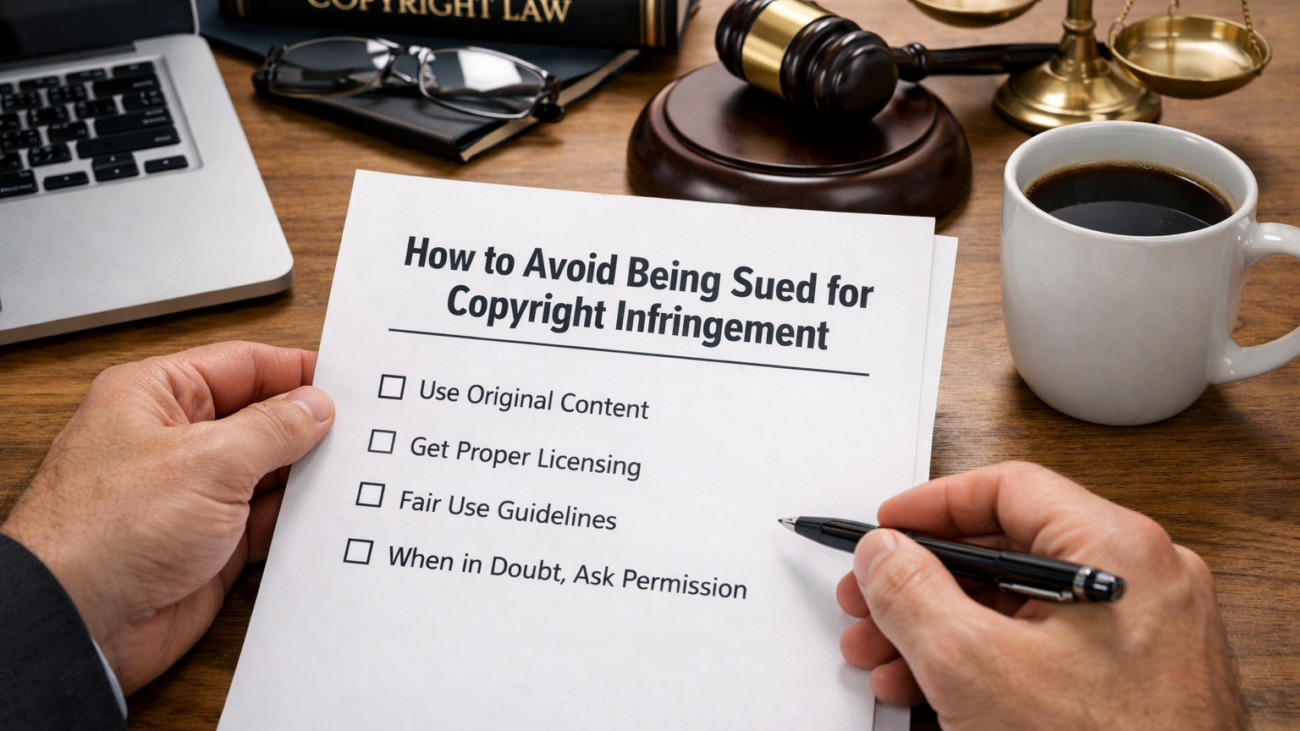

Checklist titled “How to Avoid Being Sued for Copyright Infringement” held on a desk with legal books, gavel, and laptop.

How to Avoid Being Sued for Copyright Infringement

Copyright infringement lawsuits often don’t start with bad intentions. Most people get into trouble simply because they didn’t realise a piece of content was protected. Whether you run a business website, manage social media, design marketing materials, or create digital products, understanding how to avoid copyright infringement is essential for staying safe and stress-free.

Understand What Copyright Actually Protects

Copyright protects original works such as images, videos, written content, music, software, illustrations, and designs. If you didn’t create it yourself, you should assume it is protected unless clearly stated otherwise. Just because something is available online does not mean it is free to use. Many copyright infringement cases begin with this simple misunderstanding.

Always Use Content With Clear Rights

The safest way to avoid copyright infringement is to use content you own or content you have permission to use. This includes purchasing proper licenses, using reputable royalty-free platforms, or working with creators who provide written consent. Keep records of licenses and invoices. These documents matter if your usage is ever questioned.

Be Careful With Images and Media

Images are one of the most common sources of copyright infringement claims. Copying photos from Google, social media, or competitor websites is risky. Even modifying an image does not automatically make it legal to use. The same applies to videos, music, and icons. When in doubt, don’t use it.

Don’t Assume “Fair Use” Will Protect You

Many people rely on fair use without fully understanding it. Fair use is limited and depends on context, purpose, and jurisdiction. Commercial use, promotional content, or branding materials rarely qualify. Assuming fair use incorrectly is one of the fastest ways to invite a copyright infringement dispute.

Monitor and Audit Your Content Regularly

Over time, websites and social media accounts accumulate content from different sources. Regularly reviewing older posts, blog images, and marketing materials helps identify potential risks early. Removing or replacing questionable content before a complaint arises can prevent legal trouble.

Act Quickly If You Receive a Warning

If you receive a copyright infringement notice, don’t ignore it. Take time to understand what content is involved, pause its use if necessary, and gather any proof of permission or licensing. A calm, professional response can often resolve the issue before it escalates.

Final Thoughts

Avoiding a copyright infringement lawsuit is less about legal expertise and more about awareness, caution, and respect for creative work. By using content responsibly, keeping proper records, and acting quickly when issues arise, you protect not just your business, but your peace of mind too.

Worried woman reading a copyright infringement notice while working on a laptop at home.

Should I Be Worried About a Copyright Infringement Notice?

Getting a copyright infringement notice can be stressful, especially if you run a business website, manage social media, or publish content regularly. It often feels like a legal threat, and many people worry they are already in serious trouble. The truth is, you should take it seriously, but you do not need to panic. Most issues can be handled calmly and professionally if you respond the right way.

What a Copyright Infringement Notice Really Means

A copyright infringement notice is a message claiming that you used someone else’s copyrighted work without permission. This can involve an image, video, written content, music, website design elements, or even product descriptions. The notice may come directly from the copyright owner, a lawyer, or sometimes a platform like Google or YouTube that has received a complaint.

Not every notice is automatically valid, but every notice should be treated as important. Ignoring it can create bigger problems later.

Should You Be Worried or Just Cautious?

You should be cautious and act quickly. Many copyright infringement claims are resolved without going to court, but delays or careless responses can increase risk. The biggest mistakes happen when people ignore the notice, respond emotionally, admit fault too early, or continue using the same content after being warned.

If the claim is genuine and you do nothing, you could face content takedowns, account restrictions, financial demands, or legal action. If the claim is incorrect, you still need to respond properly to protect yourself and avoid unnecessary damage to your brand.

What You Should Do Next

The first step is to review the notice carefully and identify exactly what content is being claimed. Then check whether you have the right to use it. If you purchased a license, used a verified royalty-free source, or have written permission, you may have a strong position. If you are unsure, it is often wise to temporarily remove or pause the content while you investigate, as this reduces the chance of escalation.

At this stage, professional advice can make a big difference. A copyright infringement situation is not only about the content itself, but also about how you respond, what you say, and what you can prove.

Can You Defend a Copyright Infringement Claim?

Yes, in many cases you can. Sometimes the content was used legally, the claim is mistaken, or the complainant does not actually own the rights. In other cases, the best solution may be to remove the content and resolve the matter quickly to avoid ongoing risk.

Final Thoughts

A copyright infringement notice should never be ignored, but it also does not mean your business is doomed. With a calm approach, proper documentation, and the right guidance, you can protect yourself, reduce legal exposure, and move forward with confidence.

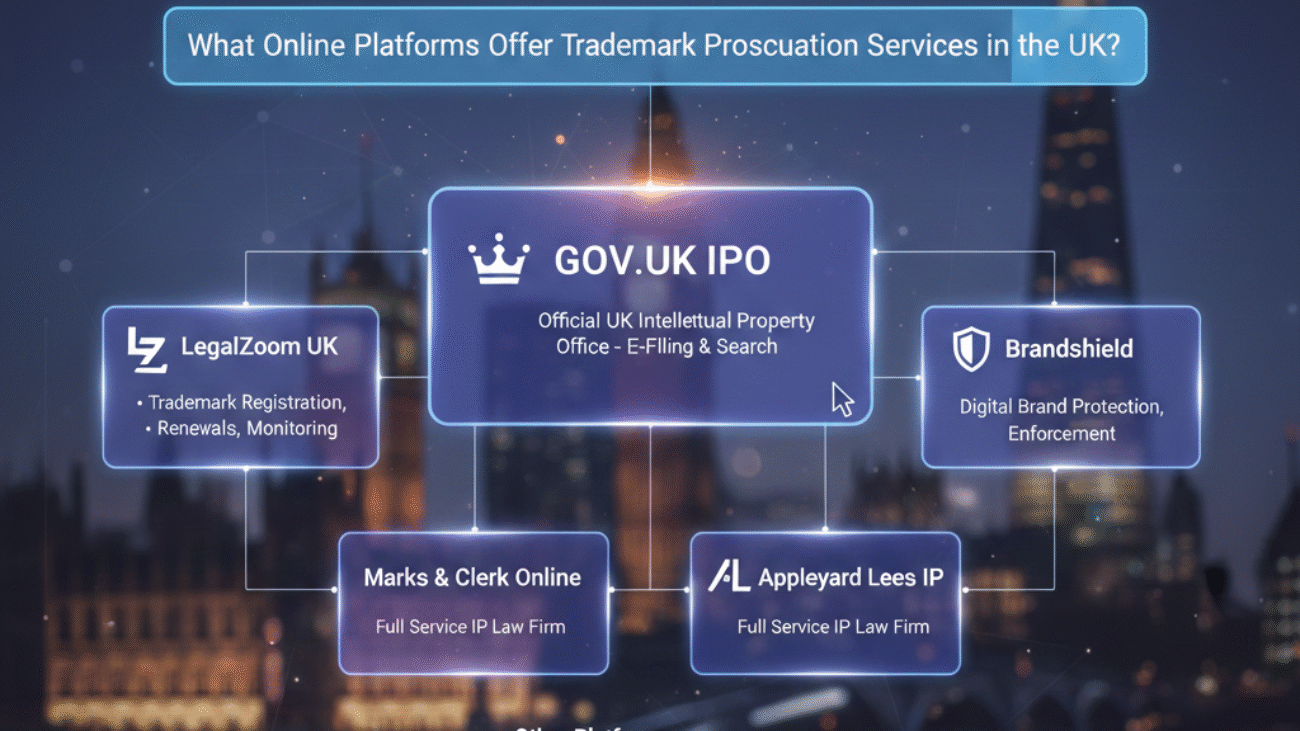
Diagram showing UK online platforms offering trademark prosecution services, including GOV.UK IPO, LegalZoom UK, and IP law firms.

What Online Platforms Offer Trademark Prosecution Services in the UK?

Trademark prosecution can feel overwhelming, especially for startups and growing businesses in the UK. From filing the application to responding to examiner objections and finally securing registration, the process involves legal steps that many brand owners are unfamiliar with. This is where trademark prosecution online platforms play a crucial role by making the process simpler, faster, and more accessible.

Why Businesses Choose Online Trademark Prosecution Platforms

Traditional trademark services often involve long email chains, unclear pricing, and delayed updates. Online platforms change this experience by offering transparency, digital tracking, and expert-led support in one place. For UK businesses, these platforms are especially helpful because they understand UK Intellectual Property Office (UKIPO) procedures and timelines.

With the rise of trademark prosecution online platforms, businesses can now manage their trademark journey without unnecessary legal complexity.

Types of Online Platforms Offering Trademark Prosecution in the UK

1. Full-Service IP Platforms

These platforms provide end-to-end trademark prosecution services. They handle filing, examination reports, objections, oppositions, and registration. Most offer dashboards where clients can track progress in real time. This is ideal for businesses that want hands-off, professional management.

Top Companies: Techvisionov, Marks & Clerk & Appleyard Lees

2. Law Firm–Backed Online Platforms

Many UK IP law firms now operate online portals. These platforms combine digital convenience with experienced trademark attorneys. They are particularly useful when responding to objections or handling complex prosecution issues.

Top Companies: Techvisionov, TrademarkNow, Markify

3. Automated Trademark Filing Platforms

Some online platforms focus on automation. They offer guided trademark filing with built-in checks to reduce errors. While cost-effective, they are best suited for straightforward applications and may offer limited support during prosecution stages.
Top Companies: Techvisionov, IPHUB.

What to Look for in a Trademark Prosecution Online Platform

Not all platforms are equal. When choosing one, UK businesses should look for:

  • Clear pricing with no hidden fees
  • UKIPO-specific expertise
  • Support for objections and examiner responses
  • Easy communication with trademark professionals
  • Regular updates on application status

A reliable trademark prosecution online platform should not only file your application but also actively protect it throughout the prosecution process.

How Online Platforms Solve Real Trademark Problems

Many brands face delays or refusals due to incorrect classifications, prior conflicting marks, or weak responses to objections. Online trademark prosecution platforms help avoid these issues by combining technology with legal insight. They ensure filings are accurate and responses are strategically drafted, improving the chances of successful registration.

Conclusion

Online platforms have transformed trademark prosecution in the UK by making it more efficient and business-friendly. Whether you are a startup or an established brand, choosing the right trademark prosecution online platform can save time, reduce risk, and protect your brand more effectively.

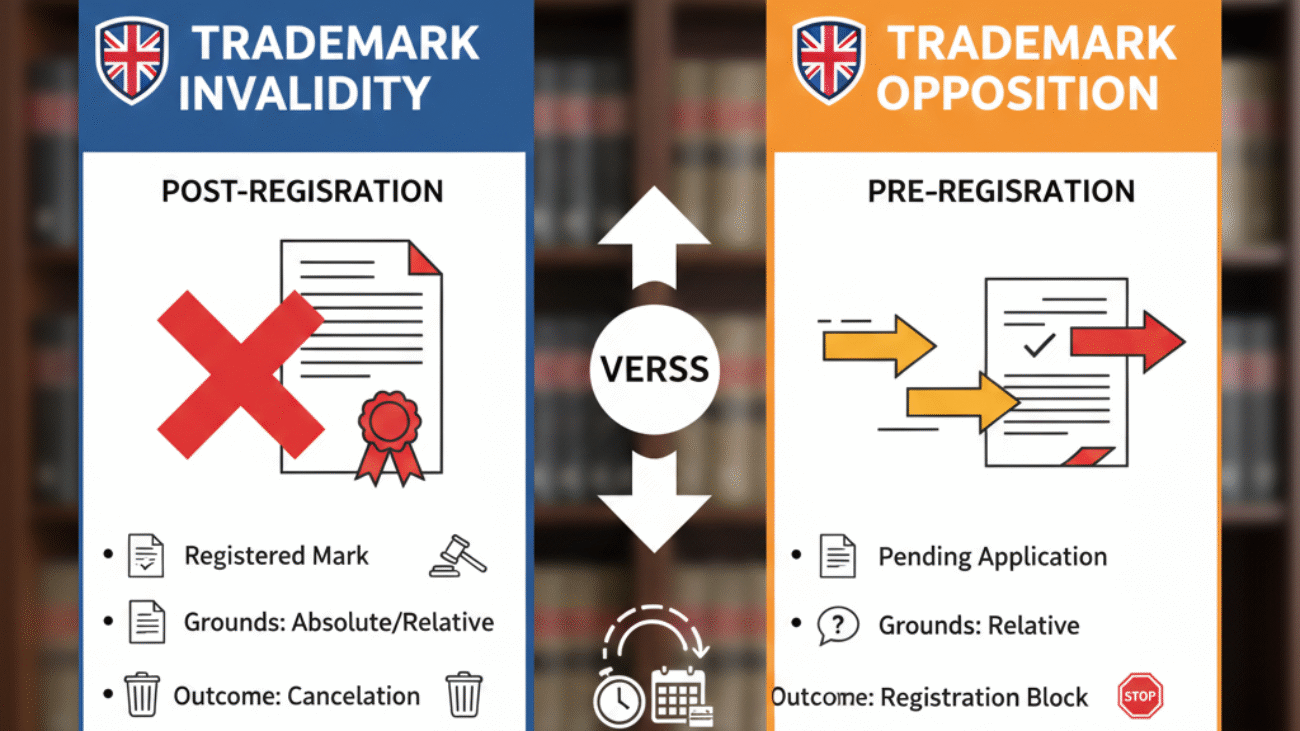
Comparative infographic for UK trademark law: Invalidity Search vs. Trademark Opposition, highlighting differences in costs, timelines, and the legal process within the UK Intellectual Property Office.

Invalidity Search vs Trademark Opposition in the UK: Key Differences Explained

If you are protecting a brand in the UK, you will likely come across two important legal tools: invalidity search and trademark opposition. While both aim to prevent weak or conflicting trademarks from harming your business, they serve very different purposes. Understanding when and how to use each can save you time, legal costs, and future disputes.

What Is a Trademark Opposition?

A trademark opposition happens before a trademark is officially registered. Once a trademark application is published by the UK Intellectual Property Office, third parties have a limited window to object. This is usually because the new mark is confusingly similar to an existing one or infringes earlier rights. Opposition is proactive. It allows brand owners to stop potential conflicts early, before the trademark gains legal protection. However, it must be filed within a strict deadline, usually two months from publication. If this window is missed, opposition is no longer an option.

What Is an Invalidity Search?

An invalidity search is used after a trademark has already been registered. It assesses whether that registration is legally flawed. This may be due to prior trademarks, lack of distinctiveness, bad faith filing, or incorrect classification.

Businesses often rely on an invalidity search when a registered trademark threatens their brand, blocks market entry, or restricts expansion. The goal is to challenge and potentially cancel the trademark entirely.

Key Differences That Matter

The main difference lies in timing. Trademark opposition is preventive, while invalidity search is corrective. Opposition stops a problem before it starts. This fixes a problem that already exists. Another difference is strategy. Opposition is generally faster and less expensive. Invalidity proceedings can be more complex but are powerful when deadlines have passed or new conflicts arise later.

Which One Do You Need?

If you spot a risky trademark during the application stage, opposition is your best move. If the trademark is already registered and affecting your business, an invalidity search becomes essential. For many UK businesses, the smartest approach is combining both. Regular monitoring, timely opposition, and expert invalidity searches provide long-term brand security.

Final Thoughts

Choosing between invalidity search and trademark opposition is not about which is better. It is about using the right tool at the right time. With proper guidance, you can protect your brand, reduce legal risk, and stay ahead in a competitive market.

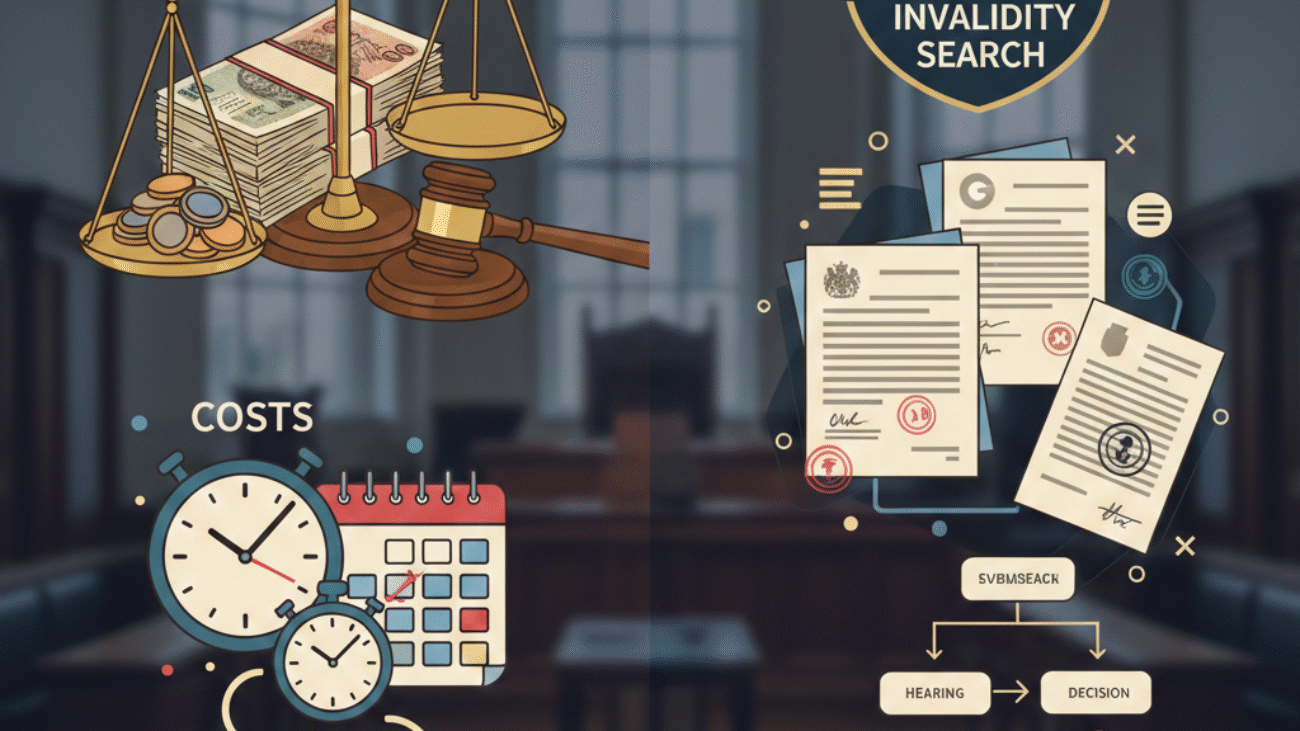
Infographic for UK Trademark Invalidity Search showing a courtroom background with icons for legal costs (scales of justice and money), a timeline (clock and calendar), and the legal process (documents and flowcharts).

UK Trademark Invalidity Search: Costs, Timeline, and Legal Process

If you believe a registered trademark should never have been approved, an invalidity search in the UK can be a powerful solution. Many businesses discover conflicting or unfair trademarks only after facing objections, oppositions, or legal notices. This is where an invalidity search becomes essential. It helps you understand whether an existing UK trademark can be legally challenged and removed.

What Is an Invalidity Search in the UK?

An invalidity search in the UK examines whether a registered trademark violates trademark laws. Common reasons include similarity to earlier marks, lack of distinctiveness, bad faith registration, or misleading descriptions. If proven, the trademark can be cancelled, clearing the way for your brand to operate safely.

Costs of an Invalidity Search in the UK

The cost of an invalidity search depends on the depth of analysis required. A basic search may focus on UKIPO records, while advanced searches include EU and international databases, legal opinions, and evidence assessment. While businesses may hesitate over costs, investing in a proper invalidity search often prevents expensive litigation, rebranding, or loss of market presence later.

Timeline: How Long Does the Process Take?

The initial invalidity search itself usually takes a few days to a couple of weeks, depending on complexity. If you proceed with filing an invalidity action, the full legal process with the UKIPO can take several months. However, early clarity from a professional invalidity search in the UK allows you to decide quickly whether to negotiate, oppose, or formally challenge the trademark.

Legal Process Explained Simply

Once the search confirms valid grounds, an application for invalidation is filed with the UK Intellectual Property Office. The trademark owner is notified and given time to respond. Both sides may submit evidence and arguments before the UKIPO issues a decision. While this sounds complex, expert guidance makes the process structured and manageable.

Why Businesses Need an Invalidity Search

Many UK businesses unknowingly operate under threat from weak or wrongly registered trademarks. An invalidity search in the UK helps you protect your brand, avoid infringement risks, and gain confidence before launching or expanding. It is especially valuable during rebranding, product launches, or trademark disputes.

Final Thoughts

An invalidity search is not just a legal formality. It is a strategic business move. By understanding costs, timelines, and the legal process, you can make informed decisions and protect your brand’s future in the UK market with confidence.

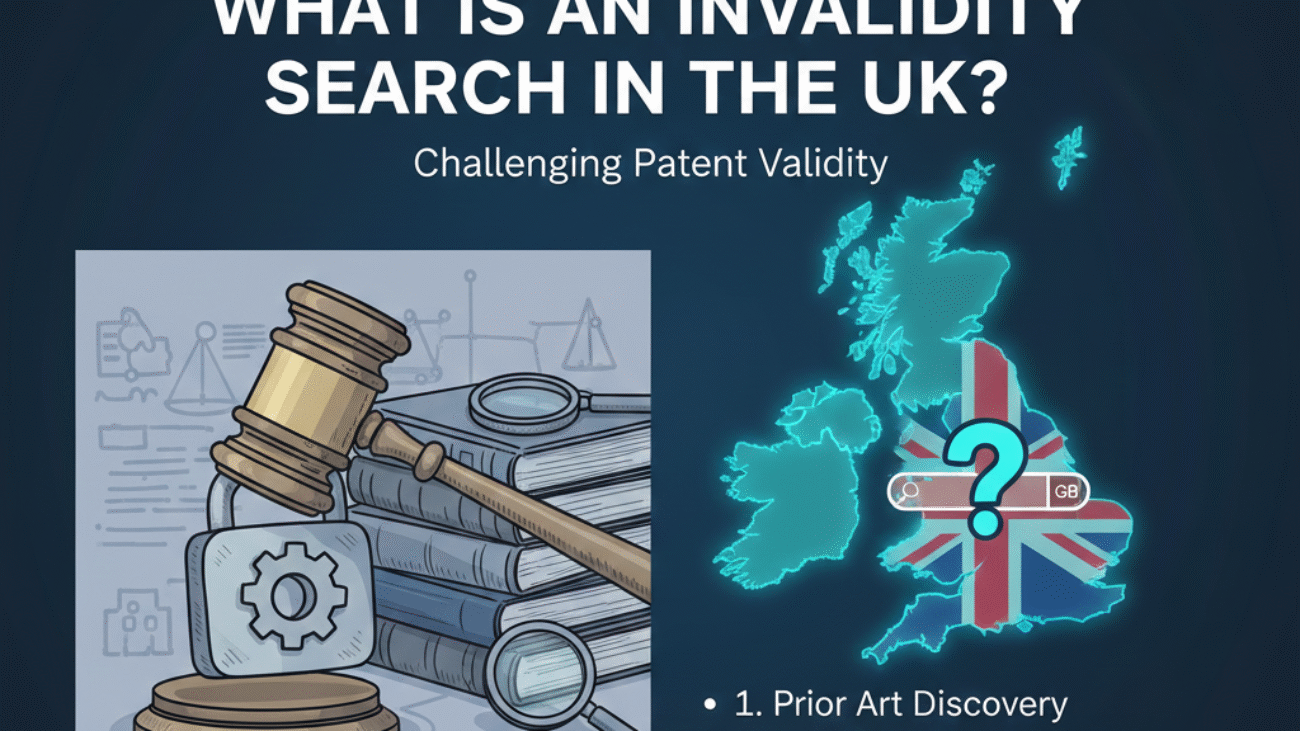
A legal professional conducting a UK patent invalidity search using a magnifying glass over official patent documents with a British flag background.

What Is an Invalidity Search in the UK and When Do You Need One?

An invalidity search is a crucial legal and strategic step for businesses and individuals dealing with trademarks or patents in the UK. In simple terms, it is a detailed investigation to check whether an existing registered trademark or patent is actually valid under UK law. Many rights look strong on paper but may not survive closer scrutiny.

In the UK, a search examines whether a trademark or patent should never have been granted in the first place. This could be due to earlier conflicting rights, lack of distinctiveness, descriptive terms, or prior public use. For patents, it often focuses on whether the invention lacks novelty or inventive step based on existing prior art. So, when do you really need an invalidity search?

Before challenging a competitor’s IP

If a competitor is blocking your brand, product launch, or market entry, an search helps you assess whether their trademark or patent is weak. Instead of reacting blindly, you get clear evidence to support cancellation or opposition actions.

During trademark disputes

Trademark conflicts can be expensive and stressful. This search allows you to understand whether the opposing trademark is legally enforceable. Many UK disputes are resolved faster when one party realizes their registration has vulnerabilities.

Before investing or acquiring IP

If you are buying a brand, licensing technology, or investing in a business, an invalidity search protects you from future surprises. You avoid paying for intellectual property that could later be cancelled or invalidated.

When facing infringement claims

If someone claims you are infringing their rights, a search can be a powerful defence. Rather than settling immediately, you may find grounds to challenge the validity of their registration.

In the UK market, where trademark and patent filings are growing every year, not all registrations are strong. An invalidity search gives you clarity, reduces legal risk, and helps you make confident decisions. It is not just about challenging others. It is about protecting your own business strategy and long-term growth.

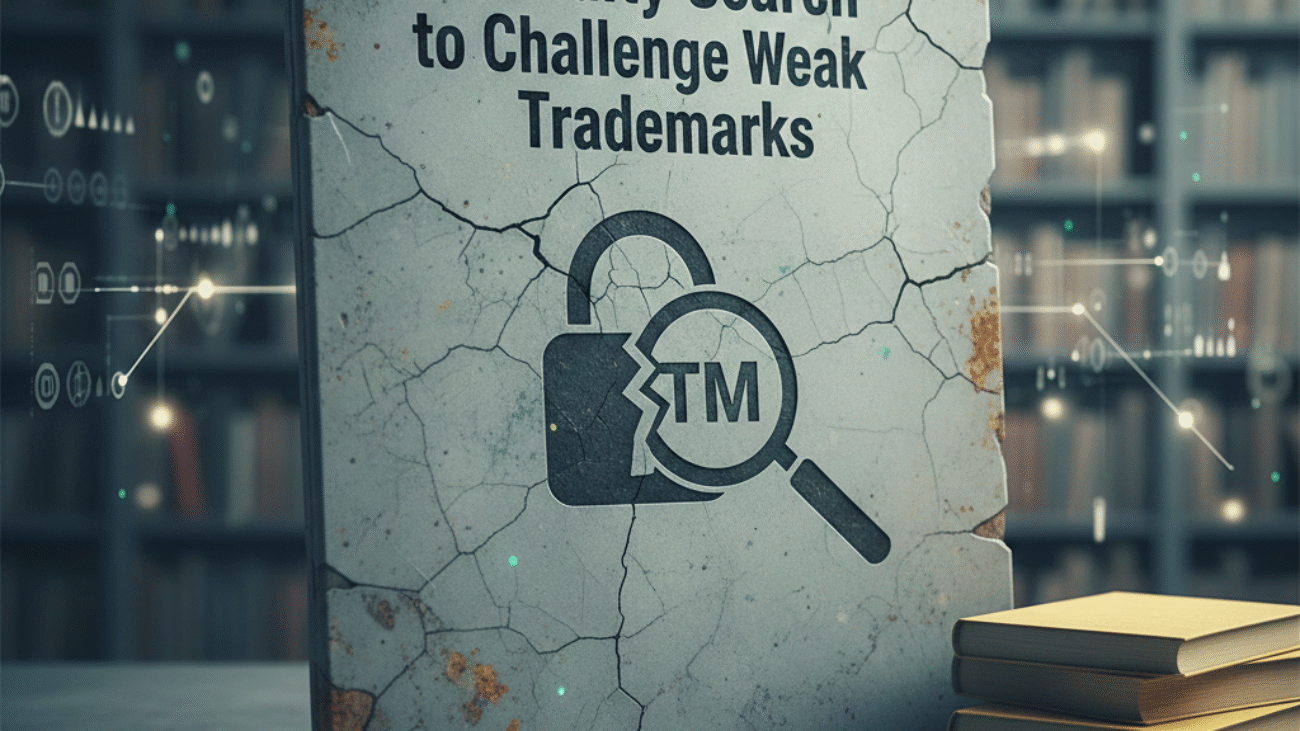
A cracked, weathered stone tablet featuring the text "Invalidity Search to Challenge Weak Trademarks" and an icon of a broken padlock containing a "TM" symbol, set against a blurred background of a law library.

Expert Invalidity Search to Challenge Weak Trademarks

In today’s competitive market, not every registered trademark or patent is as strong as it looks on paper. Many businesses unknowingly operate under weak or wrongly granted IP rights. This is where a professional invalidity search becomes a powerful strategic tool. Whether you are facing a legal dispute or planning a safe market entry, an expert patent invalidity search can protect your interests before costly mistakes happen.

What Is an Invalidity Search and Why It Matters

An invalidity search is a detailed investigation to determine whether an existing trademark or patent should have been granted in the first place. It focuses on identifying prior art, earlier trademarks, publications, or evidence that can challenge the validity of a registered right.

For businesses, this matters because enforcing or defending weak IP can drain time, money, and reputation. An early invalidity search gives you clarity and leverage.

When Should You Conduct an Invalidity Search

You should consider an invalidity search if:

  • You receive a trademark or patent infringement notice
  • A competitor blocks your brand or product launch
  • You plan to oppose or cancel an existing trademark
  • You want to reduce legal risk before investing in litigation

A professional patent invalidity search helps you assess whether the opposing IP can realistically survive legal scrutiny.

How Expert Invalidity Search Strengthens Your Position

An expert-led invalidity search goes beyond basic database checks. It involves:

  • Deep prior art analysis across global databases
  • Identification of non-distinctive, descriptive, or generic marks
  • Reviewing prosecution history and legal weaknesses
  • Finding technical or procedural flaws in patent claims

This level of analysis allows attorneys and businesses to build strong arguments for cancellation, opposition, or defense.

Avoid Costly Litigation with Smart Invalidity Strategy

Many IP disputes are settled early once weaknesses are exposed. A solid invalidity search can:

  • Reduce litigation costs
  • Improve negotiation power
  • Support settlement discussions
  • Prevent unnecessary legal action

For startups and growing businesses, this insight is especially valuable when resources are limited.

Why Professional Expertise Matters

DIY searches often miss critical evidence. An experienced invalidity search team understands how examiners, courts, and IP offices evaluate validity. Their findings are structured, defensible, and aligned with legal standards.

When done right, a patent invalidity search is not just a defensive move. It is a proactive business decision that protects innovation, market position, and long-term growth.

Final Thought

Weak trademarks and patents exist, but challenging them requires precision and expertise. An expert invalidity search gives you the confidence to act decisively, backed by facts, not assumptions. In IP strategy, knowledge is not just power. It is protection.

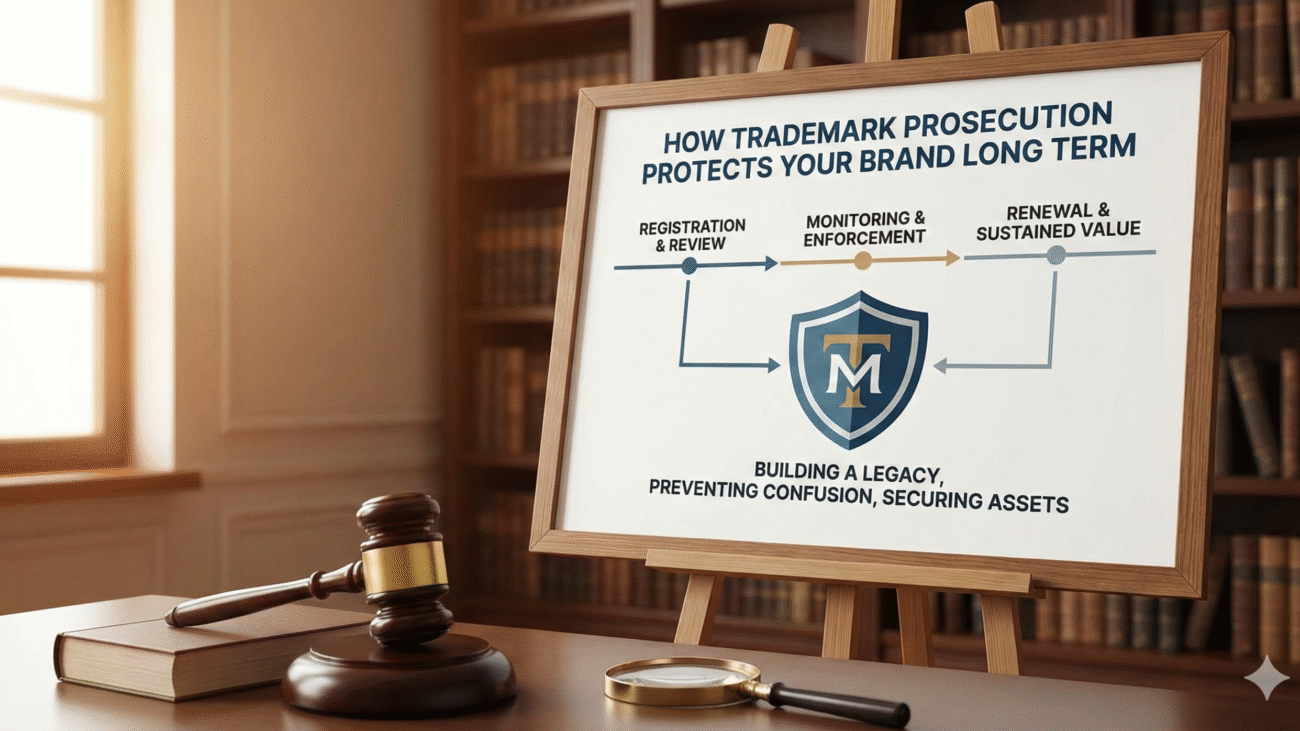
Text below the shield reads: "BUILDING A LEGACY, PREVENTING CONFUSION, SECURING ASSETS." The scene is set in a law office or library, featuring a wooden desk with a gavel resting on a law book and a magnifying glass, backlit by sunlight streaming through a window onto a background of bookshelves.

How Trademark Prosecution Protects Your Brand Long Term

In today’s crowded marketplace, building a brand is hard work. Protecting it is even harder. That is where Trademark Prosecution Protection becomes essential. It is not just about filing paperwork. It is about securing your brand’s identity and ensuring it stays protected for years to come.

Why Brands Lose Protection Without Realizing It

Many business owners believe that once they apply for a trademark, their job is done. Unfortunately, that assumption leads to costly problems. Applications often face objections, oppositions, or legal challenges. Without proper trademark prosecution, brands get rejected, delayed, or weakened. Some are even forced to rebrand entirely.

Trademark Prosecution Protection helps you avoid these traps by actively managing your trademark after filing. It ensures your application keeps moving forward and remains legally strong.

What Trademark Prosecution Protection Really Does

Trademark prosecution covers every stage after filing. This includes responding to office actions, resolving examiner objections, defending against oppositions, and guiding the mark toward registration. Each step plays a crucial role in protecting your brand long term.

A well-handled prosecution strengthens your exclusive rights. It reduces the risk of competitors copying your name, logo, or identity. Over time, this protection builds trust, market recognition, and brand value.

Preventing Costly Brand Conflicts

One of the biggest marketplace problems is brand conflict. Businesses invest in marketing, only to discover another brand challenges their trademark. Trademark Prosecution Protection helps prevent this by addressing legal risks early. Strong responses and strategic arguments can block challenges before they become expensive disputes.

This protection also ensures your trademark is properly classified and clearly defined, making enforcement much easier in the future.

Long-Term Valuei Benefits for Growing Businesses

Strong trademark prosecution does more than secure registration. It creates a solid foundation for expansion, licensing, franchising, and even investment. Investors and partners value brands with clear legal protection. A well-prosecuted trademark signals professionalism and long-term vision.

It also saves money. Fixing a weak trademark later costs far more than protecting it correctly from the beginning.

Final Thoughts

Trademark Prosecution Protection is not optional in a competitive market. It is a long-term strategy that shields your brand, supports growth, and prevents avoidable risks. By taking prosecution seriously, you protect the name, reputation, and trust you have worked so hard to build.

Trademark prosecution process displayed on a laptop, showing application filing, examination, office actions, and registration steps.

Trademark Prosecution Explained: From Application to Registration

Trademark prosecution is the legal process of securing trademark rights, from the moment an application is filed until the mark is officially registered. For businesses and brand owners, understanding this factor is essential. A smooth prosecution process means stronger brand protection and fewer legal obstacles later.

What Is Trademark Prosecution?

Trademark prosecution refers to all interactions with the trademark office after submitting a trademark application. It includes examination, responding to objections, handling oppositions, and finally receiving registration. This process ensures your trademark is distinctive, compliant with the law, and eligible for legal protection. Many applicants assume filing is the end of the journey. In reality, this factor plays a deciding role in whether your trademark survives or is rejected.

Step 1: Filing the Trademark Application

Trademark prosecution begins with filing an application containing essential details such as the mark, owner information, and applicable goods or services. Proper classification and accurate descriptions are critical at this stage. Errors here can invite objections later and delay registration. A well-prepared application sets the foundation for a smoother stage of prosecution journey.

Step 2: Examination by the Trademark Office

Once filed, the application is reviewed by a trademark examiner. The examiner checks for statutory compliance, conflicts with existing trademarks, and potential grounds for refusal such as lack of distinctiveness or descriptiveness. If issues are found, the examiner issues an official examination report or office action. This is a common and normal part of this, not a rejection.

Step 3: Responding to Office Actions

Responding to office actions is one of the most critical stages of the prosecution factor. The applicant must address objections within the prescribed time limit using clear legal arguments, evidence, or amendments. Poorly drafted responses or missed deadlines can result in abandonment of the application. Strategic responses significantly increase the chances of approval and move the trademark closer to registration.

Step 4: Publication and Opposition In Trademark Prosecution

If the examiner is satisfied, the trademark is published for public opposition. During this period, third parties can challenge the registration if they believe it conflicts with their existing rights. Handling oppositions requires legal expertise, as arguments must be precise and well-supported. Successful defense during this stage is a major milestone.

Step 5: Trademark Registration Factors For Trademark Prosecution

If no opposition is filed, or if opposition is resolved in the applicant’s favor, the trademark proceeds to registration. At this point, this factor concludes with the issuance of a registration certificate, granting exclusive rights to use and protect the mark.

Why Trademark Prosecution Matters

This is not just a legal formality. It determines the strength, scope, and enforceability of your trademark rights. Mistakes during prosecution can limit protection or lead to rejection, costing time and money. Working with professionals who understand trademark prosecution helps avoid delays, manage objections effectively, and protect your brand long term.

Final Thoughts

Trademark prosecution is a structured yet flexible process that demands attention, strategy, and timely action. From application to registration, each step plays a vital role in securing brand identity. With the right approach, trademark prosecution becomes a powerful tool to safeguard your business and its reputation.