A legal professional conducting a UK patent invalidity search using a magnifying glass over official patent documents with a British flag background.

What Is an Invalidity Search in the UK and When Do You Need One?

An invalidity search is a crucial legal and strategic step for businesses and individuals dealing with trademarks or patents in the UK. In simple terms, it is a detailed investigation to check whether an existing registered trademark or patent is actually valid under UK law. Many rights look strong on paper but may not survive closer scrutiny.

In the UK, a search examines whether a trademark or patent should never have been granted in the first place. This could be due to earlier conflicting rights, lack of distinctiveness, descriptive terms, or prior public use. For patents, it often focuses on whether the invention lacks novelty or inventive step based on existing prior art. So, when do you really need an invalidity search?

Before challenging a competitor’s IP

If a competitor is blocking your brand, product launch, or market entry, an search helps you assess whether their trademark or patent is weak. Instead of reacting blindly, you get clear evidence to support cancellation or opposition actions.

During trademark disputes

Trademark conflicts can be expensive and stressful. This search allows you to understand whether the opposing trademark is legally enforceable. Many UK disputes are resolved faster when one party realizes their registration has vulnerabilities.

Before investing or acquiring IP

If you are buying a brand, licensing technology, or investing in a business, an invalidity search protects you from future surprises. You avoid paying for intellectual property that could later be cancelled or invalidated.

When facing infringement claims

If someone claims you are infringing their rights, a search can be a powerful defence. Rather than settling immediately, you may find grounds to challenge the validity of their registration.

In the UK market, where trademark and patent filings are growing every year, not all registrations are strong. An invalidity search gives you clarity, reduces legal risk, and helps you make confident decisions. It is not just about challenging others. It is about protecting your own business strategy and long-term growth.

A cracked, weathered stone tablet featuring the text "Invalidity Search to Challenge Weak Trademarks" and an icon of a broken padlock containing a "TM" symbol, set against a blurred background of a law library.

Expert Invalidity Search to Challenge Weak Trademarks

In today’s competitive market, not every registered trademark or patent is as strong as it looks on paper. Many businesses unknowingly operate under weak or wrongly granted IP rights. This is where a professional invalidity search becomes a powerful strategic tool. Whether you are facing a legal dispute or planning a safe market entry, an expert patent invalidity search can protect your interests before costly mistakes happen.

What Is an Invalidity Search and Why It Matters

An invalidity search is a detailed investigation to determine whether an existing trademark or patent should have been granted in the first place. It focuses on identifying prior art, earlier trademarks, publications, or evidence that can challenge the validity of a registered right.

For businesses, this matters because enforcing or defending weak IP can drain time, money, and reputation. An early invalidity search gives you clarity and leverage.

When Should You Conduct an Invalidity Search

You should consider an invalidity search if:

  • You receive a trademark or patent infringement notice
  • A competitor blocks your brand or product launch
  • You plan to oppose or cancel an existing trademark
  • You want to reduce legal risk before investing in litigation

A professional patent invalidity search helps you assess whether the opposing IP can realistically survive legal scrutiny.

How Expert Invalidity Search Strengthens Your Position

An expert-led invalidity search goes beyond basic database checks. It involves:

  • Deep prior art analysis across global databases
  • Identification of non-distinctive, descriptive, or generic marks
  • Reviewing prosecution history and legal weaknesses
  • Finding technical or procedural flaws in patent claims

This level of analysis allows attorneys and businesses to build strong arguments for cancellation, opposition, or defense.

Avoid Costly Litigation with Smart Invalidity Strategy

Many IP disputes are settled early once weaknesses are exposed. A solid invalidity search can:

  • Reduce litigation costs
  • Improve negotiation power
  • Support settlement discussions
  • Prevent unnecessary legal action

For startups and growing businesses, this insight is especially valuable when resources are limited.

Why Professional Expertise Matters

DIY searches often miss critical evidence. An experienced invalidity search team understands how examiners, courts, and IP offices evaluate validity. Their findings are structured, defensible, and aligned with legal standards.

When done right, a patent invalidity search is not just a defensive move. It is a proactive business decision that protects innovation, market position, and long-term growth.

Final Thought

Weak trademarks and patents exist, but challenging them requires precision and expertise. An expert invalidity search gives you the confidence to act decisively, backed by facts, not assumptions. In IP strategy, knowledge is not just power. It is protection.

Comment débloquer les meilleurs bonus exclusifs sur Tortuga Casino en 2026

En 2026, Tortuga Casino continue de séduire les joueurs francophones grâce à une offre unique de jeux et une palette de bonus conçus pour maximiser l’expérience de jeu. En tant que SEO-copywriter avec 10 ans d’expérience dans le iGaming, je vous guide à travers les étapes clés pour débloquer les bonus exclusifs qui font la renommée de cette plateforme. Découvrez comment tirer profit des offres tout en naviguant dans un univers ludique sécurisé et innovant.

Dès votre inscription sur online casino tortuga, vous bénéficiez d’un premier bonus attractif. Mais au-delà de cette offre de bienvenue, Tortuga déploie une stratégie de promotions qui récompense les joueurs réguliers et VIP, avec des conditions claires et une grande diversité de bonus. Comprendre le fonctionnement de cet écosystème est crucial pour maximiser vos gains.

Comment fonctionne la bonus-écosystème de Tortuga Casino en 2026 ?

Tortuga Casino propose une gamme complète de bonus, conçus pour s’adapter à différents profils de joueurs. On distingue principalement :

  • Le bonus de bienvenue : un package qui peut inclure un bonus de dépôt, des free spins et parfois un cashback initial.
  • Les promotions régulières : reload bonus, free spins hebdomadaires, tournois exclusifs.
  • Le programme de fidélité : cumulez des points qui se transforment en récompenses.
  • Les bonus VIP : invitations à des événements, gestion personnalisée, bonus plus élevés.

Le déblocage de ces bonus est conditionné par des règles précises, notamment les exigences de mise (ou wagering). Tortuga affiche une politique transparente sur ces critères, ce qui limite les mauvaises surprises.

Type de bonusMontant moyenConditions de mise
Bonus de bienvenueJusqu’à 500 € + 150 FS30x le montant + FS
Bonus reload hebdomadaire25% à 50% du dépôt25x le montant
Free spins réguliers20 à 100 tours gratuits40x les gains
Cashback hebdomadaireJusqu’à 10% des pertesSans condition

Quelles sont les étapes pour débloquer un bonus exclusif Tortuga ?

Débloquer les meilleurs bonus nécessite une approche méthodique, voici les étapes à suivre :

  1. Créer votre compte avec des informations complètes et valides pour garantir un traitement rapide.
  2. Effectuer un premier dépôt qualifiant, souvent minimum 20 €, pour activer le bonus de bienvenue.
  3. Consulter régulièrement la page promotions pour ne manquer aucune offre exclusive ou limitée dans le temps.
  4. Participer au programme VIP : il faut accumuler un certain volume de mises pour monter en niveau et débloquer des bonus adaptés.
  5. Respecter les conditions de mise : lire attentivement les termes pour conserver vos gains issus des bonus.

Ces étapes garantissent un accès fluide et efficace aux avantages les plus lucratifs de Tortuga.

Pourquoi Tortuga Casino offre-t-il des bonus plus attractifs que la moyenne ?

Tortuga se distingue par une politique d’incitation généreuse et équilibrée. Contrairement à de nombreux casinos en ligne, Tortuga ne se contente pas d’offrir un seul gros bonus de bienvenue. La plateforme mise sur un écosystème durable qui récompense la fidélité et le jeu régulier.

Un point souvent souligné par les joueurs expérimentés est la transparence des conditions. Là où certains casinos compliquent les règles de mise, Tortuga les explicite clairement. Cela crée un climat de confiance, essentiel pour un divertissement sans frustration.

« Après plusieurs années à tester différentes plateformes, Tortuga m’a convaincu par son équilibre entre bonus généreux et règles honnêtes. » – Témoignage joueur

Comment optimiser le déblocage et l’utilisation des bonus Tortuga ?

Pour profiter pleinement des offres, quelques conseils pratiques s’imposent :

  • Variez les types de jeux : certains bonus favorisent les machines à sous, d’autres les jeux de table, renseignez-vous avant de miser.
  • Planifiez vos dépôts en fonction des promotions en cours : certains reload bonus ne sont valables que certains jours.
  • Surveillez les exigences de mise : préférez les bonus avec un wagering inférieur pour transformer plus rapidement vos gains en argent réel.
  • Utilisez l’application mobile pour ne rater aucune promotion exclusive réservée aux utilisateurs mobiles.
  • Communiquez avec le support : l’assistance multilingue de Tortuga est disponible 24/7 pour clarifier vos doutes.

Ces bonnes pratiques vous permettront de transformer chaque bonus en une opportunité réelle de gain.


FAQ – Questions fréquentes sur les bonus Tortuga Casino

Q1 : Quels sont les délais pour recevoir un bonus après dépôt ?
Les bonus sont crédités instantanément ou dans un délai de quelques minutes après validation du dépôt.

Q2 : Peut-on cumuler plusieurs bonus en même temps ?
Non, chaque bonus nécessite un code ou une condition spécifique ; il faut généralement terminer un bonus avant d’en activer un autre.

Q3 : Les bonus sont-ils disponibles pour les joueurs français uniquement ?
Tortuga vise les joueurs francophones, mais la disponibilité peut varier selon la législation locale.

Q4 : Que faire si un bonus ne s’affiche pas ?
Contactez immédiatement le support client via chat ou email pour une assistance rapide.

Q5 : Les free spins ont-ils une date d’expiration ?
Oui, la plupart des free spins doivent être utilisés dans un délai de 7 à 14 jours après leur attribution.


Conclusion rapide

Tortuga Casino en 2026 propose une excellente combinaison entre bonus exclusifs attractifs et conditions transparentes. Pour débloquer ces avantages, adoptez une démarche structurée : création de compte, dépôts ciblés, suivi des promotions et participation active au programme fidélité. Comparé à la moyenne du marché, Tortuga offre un équilibre rare entre générosité et crédibilité – un vrai atout pour les joueurs exigeants.

Quick facts :

  • Bonus de bienvenue jusqu’à 500 € + free spins
  • Conditions de mise claires (25-30x)
  • Programme VIP progressif récompensant la fidélité
  • Support client 24/7 multilingue

Explorez dès maintenant online casino tortuga et commencez à profiter des meilleures offres exclusives.


Article rédigé par un SEO-copywriter iGaming expert, alliant expertise professionnelle et compréhension fine des attentes joueurs.


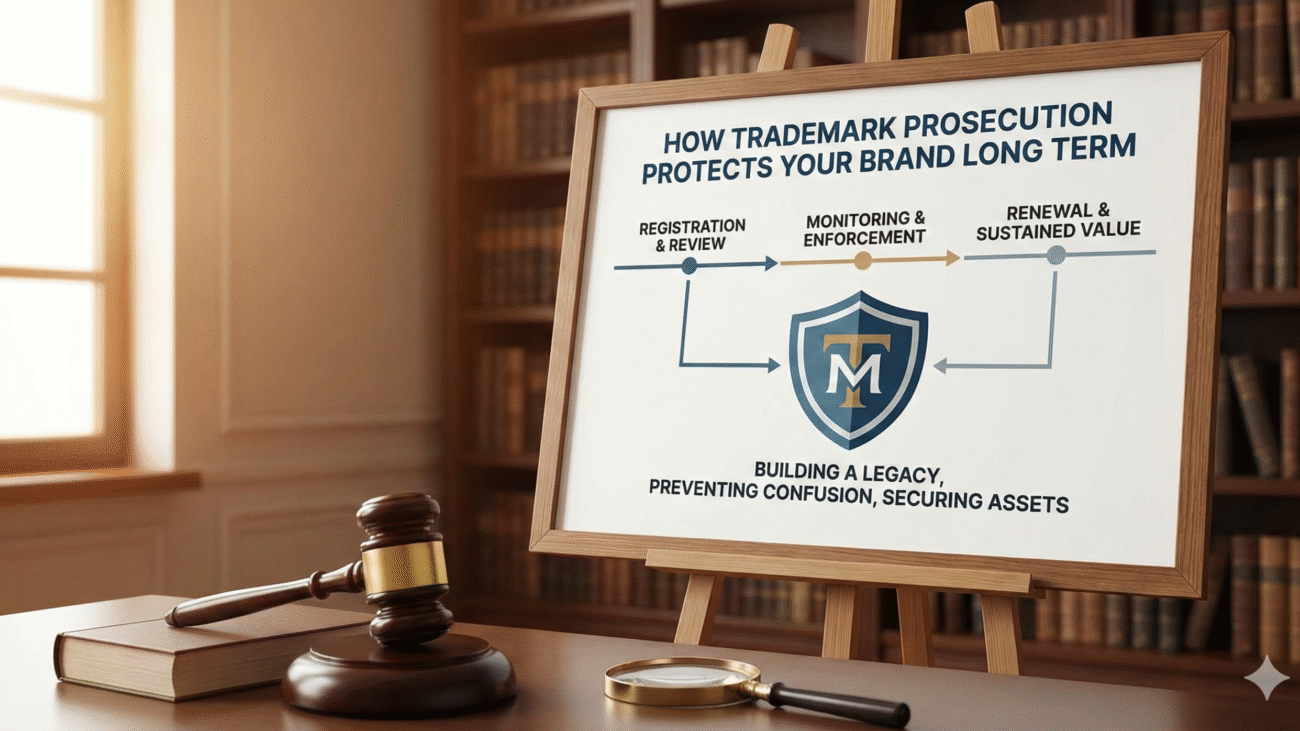
Text below the shield reads: "BUILDING A LEGACY, PREVENTING CONFUSION, SECURING ASSETS." The scene is set in a law office or library, featuring a wooden desk with a gavel resting on a law book and a magnifying glass, backlit by sunlight streaming through a window onto a background of bookshelves.

How Trademark Prosecution Protects Your Brand Long Term

In today’s crowded marketplace, building a brand is hard work. Protecting it is even harder. That is where Trademark Prosecution Protection becomes essential. It is not just about filing paperwork. It is about securing your brand’s identity and ensuring it stays protected for years to come.

Why Brands Lose Protection Without Realizing It

Many business owners believe that once they apply for a trademark, their job is done. Unfortunately, that assumption leads to costly problems. Applications often face objections, oppositions, or legal challenges. Without proper trademark prosecution, brands get rejected, delayed, or weakened. Some are even forced to rebrand entirely.

Trademark Prosecution Protection helps you avoid these traps by actively managing your trademark after filing. It ensures your application keeps moving forward and remains legally strong.

What Trademark Prosecution Protection Really Does

Trademark prosecution covers every stage after filing. This includes responding to office actions, resolving examiner objections, defending against oppositions, and guiding the mark toward registration. Each step plays a crucial role in protecting your brand long term.

A well-handled prosecution strengthens your exclusive rights. It reduces the risk of competitors copying your name, logo, or identity. Over time, this protection builds trust, market recognition, and brand value.

Preventing Costly Brand Conflicts

One of the biggest marketplace problems is brand conflict. Businesses invest in marketing, only to discover another brand challenges their trademark. Trademark Prosecution Protection helps prevent this by addressing legal risks early. Strong responses and strategic arguments can block challenges before they become expensive disputes.

This protection also ensures your trademark is properly classified and clearly defined, making enforcement much easier in the future.

Long-Term Valuei Benefits for Growing Businesses

Strong trademark prosecution does more than secure registration. It creates a solid foundation for expansion, licensing, franchising, and even investment. Investors and partners value brands with clear legal protection. A well-prosecuted trademark signals professionalism and long-term vision.

It also saves money. Fixing a weak trademark later costs far more than protecting it correctly from the beginning.

Final Thoughts

Trademark Prosecution Protection is not optional in a competitive market. It is a long-term strategy that shields your brand, supports growth, and prevents avoidable risks. By taking prosecution seriously, you protect the name, reputation, and trust you have worked so hard to build.

Trademark prosecution process displayed on a laptop, showing application filing, examination, office actions, and registration steps.

Trademark Prosecution Explained: From Application to Registration

Trademark prosecution is the legal process of securing trademark rights, from the moment an application is filed until the mark is officially registered. For businesses and brand owners, understanding this factor is essential. A smooth prosecution process means stronger brand protection and fewer legal obstacles later.

What Is Trademark Prosecution?

Trademark prosecution refers to all interactions with the trademark office after submitting a trademark application. It includes examination, responding to objections, handling oppositions, and finally receiving registration. This process ensures your trademark is distinctive, compliant with the law, and eligible for legal protection. Many applicants assume filing is the end of the journey. In reality, this factor plays a deciding role in whether your trademark survives or is rejected.

Step 1: Filing the Trademark Application

Trademark prosecution begins with filing an application containing essential details such as the mark, owner information, and applicable goods or services. Proper classification and accurate descriptions are critical at this stage. Errors here can invite objections later and delay registration. A well-prepared application sets the foundation for a smoother stage of prosecution journey.

Step 2: Examination by the Trademark Office

Once filed, the application is reviewed by a trademark examiner. The examiner checks for statutory compliance, conflicts with existing trademarks, and potential grounds for refusal such as lack of distinctiveness or descriptiveness. If issues are found, the examiner issues an official examination report or office action. This is a common and normal part of this, not a rejection.

Step 3: Responding to Office Actions

Responding to office actions is one of the most critical stages of the prosecution factor. The applicant must address objections within the prescribed time limit using clear legal arguments, evidence, or amendments. Poorly drafted responses or missed deadlines can result in abandonment of the application. Strategic responses significantly increase the chances of approval and move the trademark closer to registration.

Step 4: Publication and Opposition In Trademark Prosecution

If the examiner is satisfied, the trademark is published for public opposition. During this period, third parties can challenge the registration if they believe it conflicts with their existing rights. Handling oppositions requires legal expertise, as arguments must be precise and well-supported. Successful defense during this stage is a major milestone.

Step 5: Trademark Registration Factors For Trademark Prosecution

If no opposition is filed, or if opposition is resolved in the applicant’s favor, the trademark proceeds to registration. At this point, this factor concludes with the issuance of a registration certificate, granting exclusive rights to use and protect the mark.

Why Trademark Prosecution Matters

This is not just a legal formality. It determines the strength, scope, and enforceability of your trademark rights. Mistakes during prosecution can limit protection or lead to rejection, costing time and money. Working with professionals who understand trademark prosecution helps avoid delays, manage objections effectively, and protect your brand long term.

Final Thoughts

Trademark prosecution is a structured yet flexible process that demands attention, strategy, and timely action. From application to registration, each step plays a vital role in securing brand identity. With the right approach, trademark prosecution becomes a powerful tool to safeguard your business and its reputation.

Common Patent Renewal Mistakes and How to Avoid Them

Maintaining your patent is just as important as securing it in the first place. Many inventors and businesses in the UK overlook this crucial step, and as a result, valuable intellectual property can lapse. Understanding common pitfalls in the patent renewal process can save you both time and money.

1. Missing Renewal Deadlines
One of the most frequent patent renewal mistakes is simply missing the renewal deadline. In the UK, patents need to be renewed annually after the initial grant period. Forgetting even a single renewal date can lead to the patent becoming invalid, leaving your invention unprotected. To avoid this, consider using a reliable patent renewal service that can track deadlines and alert you in advance.

2. Incorrect Payment Amounts
Renewal fees may vary depending on the year of your patent. Paying the wrong amount can result in late fees or even rejection of the renewal. Many inventors assume a flat fee applies every year, which is a common patent renewal mistake. Using a professional UK patent renewal service ensures that payments are accurate and timely, keeping your patent active without stress.

3. Overlooking Late Renewal Options
Life gets busy, and sometimes renewals are missed. While the UK Intellectual Property Office does allow for late renewals under certain conditions, there are strict limits and additional fees. Failing to act quickly can result in losing your patent entirely. Knowing the process for late payments is essential, and a trusted patent renewal UK specialist can guide you through these tricky situations.

4. Not Keeping Contact Information Updated
Another overlooked error is having outdated contact details with the patent office. If renewal notices are sent to an old address or email, you might never even know your patent is due. Always keep your contact information current to avoid this preventable patent renewal mistake.

5. DIY Renewal Pitfalls
While it might seem simple to renew a patent on your own, the process involves specific forms, fees, and deadlines. Small errors can lead to rejection, additional costs, or even patent loss. Investing in a patent renewal service ensures every step is handled correctly, giving you peace of mind.

Conclusion
Patent renewal may seem routine, but mistakes are common and costly. By staying organized, paying fees on time, keeping contact information current, and leveraging professional help, you can safeguard your intellectual property and let your invention shine without worry.

Patent renewal cost concept showing US patent document, stacked coins, dollar bills, clock mechanism, fee submission slot, and maintenance fee chart.

How Much Does Patent Renewal Cost? A Simple Breakdown

Keeping a patent active is just as important as getting it granted, and that’s where patent renewal comes in. Every company needs to understand the renewal timelines and the real patent renewal cost involved. The good news is that the process isn’t complicated once you know what you’re paying for and when the fees apply. Here’s the simplest breakdown to help you stay compliant without surprises.

What Patent Renewal Really Means

Once your patent is granted, it doesn’t stay active forever. To keep your rights alive, you need to renew it at specific yearly intervals. These payments ensure the government knows your patent is still valuable to you, and in return, you retain full control over the invention. Missing a renewal can cause your patent to lapse, which means competitors may use your invention freely.

When Patent Renewal Fees Start

Patent renewal fees begin a few years after your patent is granted. Most countries start charging renewal fees from the 3rd or 4th year onward. After that, the cost increases steadily each year. This gradual increase encourages patent owners to maintain only the inventions they continue to use or profit from.

Understanding Patent Renewal Cost

The total patent renewal cost depends on several factors:

1. The country you filed in
Each region has its own fee structure. For example, UK and US renewal fees differ from European Patent Office fees.

2. The year of renewal
Earlier renewal years cost less. Fees rise as your patent ages.

3. Online vs. assisted renewal
Handling renewal yourself is cheaper, but mistakes can be costly. Many companies prefer professional patent renewal services to avoid late fees or accidental lapses.

Typically, renewal fees range from low-cost early-year payments to higher fees towards the 10th and 20th year. While fees differ, almost all countries follow the same principle: the longer you keep the patent, the more you pay.

Why Professional Help Saves Money

A lot of businesses mistakenly think they can manage renewals on their own, only to face penalties or missed deadlines. A professional patent renewal service helps you track every due date, estimate your yearly costs, and handle payments on time. This saves both money and stress, especially for companies managing multiple patents.

Final Takeaway

Patent renewal isn’t just another expense. It’s an investment in keeping your invention exclusive and profitable. When you understand your patent renewal cost, you can plan better and protect your rights for the entire patent term—without any last-minute rush or unexpected fees.

Patent renewal rules shown through a tablet screen, calendar deadline, law books, magnifying glass, and hourglass illustrating timelines, fees, and documentation.

Patent Renewal Rules: How to Keep Your Company’s Patent Active for the Full Term

Keeping a patent active isn’t automatic. Even after your patent is granted, you must follow the patent renewal process carefully to keep your rights protected for the full term. Many companies lose valuable protection simply because they miss a renewal deadline. The good news is that renewing a patent is easy once you understand how the process works.

Why Patent Renewal Matters

A patent gives your company exclusive rights over your invention. But that protection lasts only if you renew it on time. Missing a renewal deadline can cause the patent to lapse, which means anyone can legally use, make, or sell your invention. Renewals are your way of confirming that your innovation is still valuable to your business.

When Patent Renewal Starts

In most countries, including the UK, the first renewal is due on the fourth anniversary of your patent filing date. After that, renewals are required every year until the patent reaches its maximum term, usually 20 years. If you delay payment, there is a grace period, but late fees apply. If you go past the grace period, the patent expires permanently.

Understanding the Patent Renewal Process

The patent renewal process is straightforward when handled on time. Here’s what your company needs to do:

1. Track Your Renewal Deadlines

Mark all renewal years clearly. Companies often rely on internal reminders or renewal services that monitor due dates and alert you ahead of time.

2. Pay the Official Renewal Fee

Fees typically increase with each year. Early years cost less, while later renewals cost more because the patent becomes more valuable as your business grows.

3. Keep Proof of Payment

Always store confirmation emails, receipts, or renewal certificates. These documents help avoid disputes and serve as compliance records.

4. Use a Patent Service If Needed

If you manage multiple patents or operate globally, working with a professional patent service can prevent costly mistakes. They handle paperwork, monitor deadlines, and handle multi-country renewals for you.

What Happens If You Miss a Renewal?

If you miss a deadline but are still within the grace period, you can renew by paying a late fee. If the grace period passes, the patent expires, and your exclusive rights end. Restoring a lapsed patent is costly and not always guaranteed.

Stay Active, Stay Protected

Consistent renewals keep your patent strong and enforceable. By understanding the rules and staying organized, you ensure your innovation remains protected for its full legal life.